Sanitary Seals / Hygienic Seals
Seals and gaskets made from high-performance materials, with industry approvals for leak-free performance in clean environment applications, such as food and beverage, pharmaceutical, biotechnology and chemical processing. Effective sealing ensures that the product being processed remains uncontaminated and safe for consumption.
What are sanitary seals?
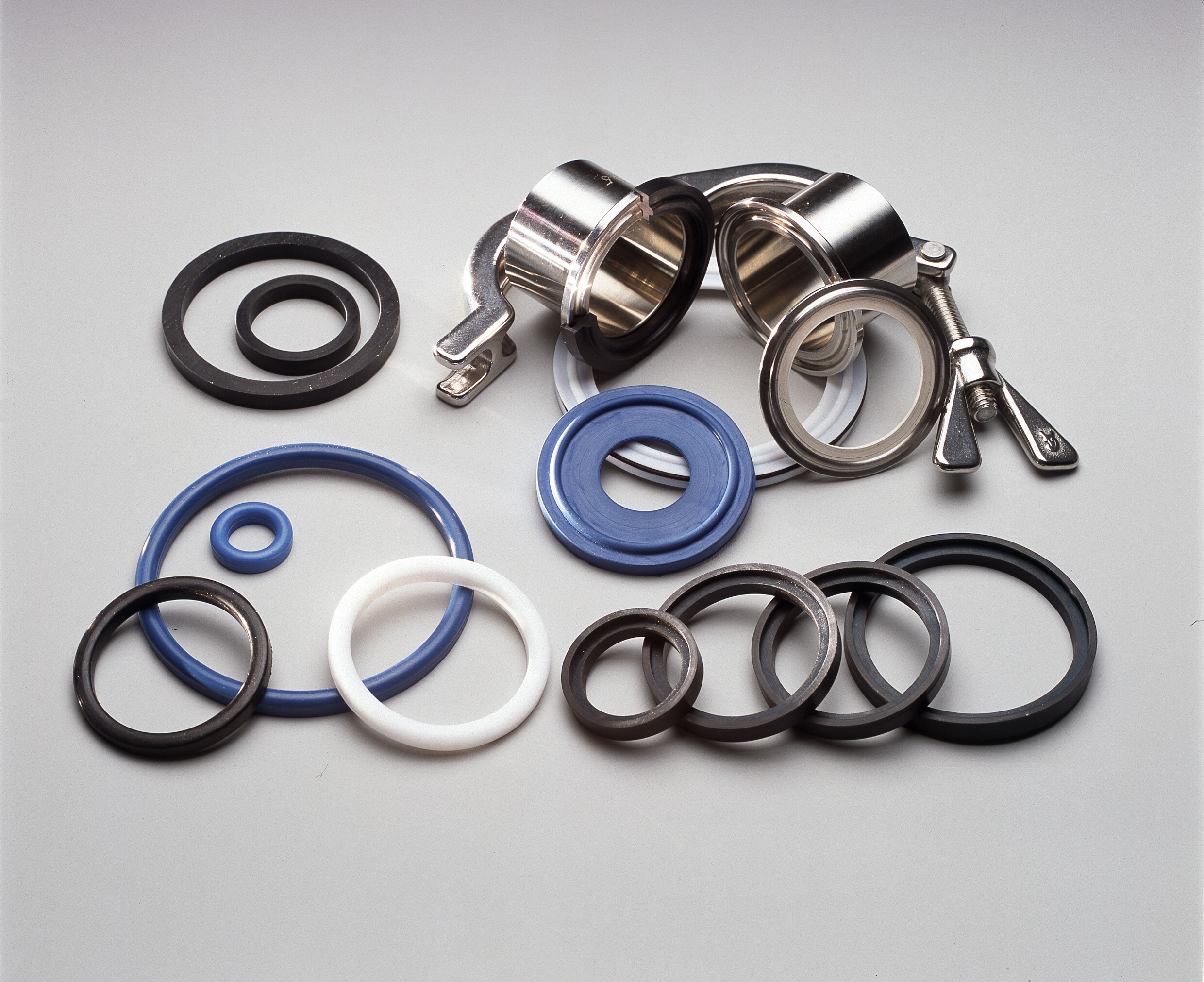
Sanitary seals are devices specially manufactured to help prevent contaminants and fluids leaking from a system. They can be made from soft, flexible materials like rubber and silicone or from a hard material like PTFE. The materials allow them to form a tight seal with the surface around them, creating a high performing sealing solution.
Sanitary gaskets can withstand high temperatures, high pressure, and different types of chemicals.
M Seals profiles
Our assortment of sanitary gaskets includes DS, DIN11851, SMS1149, ISO2853 as well as a variety of Tri-clamps.
See the sub menu on the left for more information.
Advantages of sanitary seals
- Improved product safety
- Reduced risk of leaks
- Increased equipment performance
- Compatibility with various fluids and temperatures
- Cost-effective solution
Materials for sanitary seals
The most effective material will depend on the specific application and requirements, but the most common materials used for sanitary seals include:
- EPDM (Ethylene Propylene Diene Monomer)
- VMQ (Silicone)
- PTFE (Virgin) (Polytetrafluoroethylene)
- FPM/FKM (Fluorocarbon)
- NBR (Nitrile Butadiene Rubber)
- PTFE/SS (Stainless)
- PTFE/SS (Envelope)
- Kalrez® (Perfluoroelastomer)
You can read more about chemical compatibility for each material in our Chemical Compatibility Guide. This will ensure that the selected material is suitable for use with the specific chemicals and operating conditions of the application, helping to avoid premature seal failure and potential contamination risks.
Approvals for sanitary seals
There are various approvals and certifications that sanitary seals can undergo to demonstrate their compliance with industry standards, for applications in food and beverage, pharmaceuticals, and biotechnology.
Some of the key approvals and certifications for sanitary seals are:
FDA approval: The Food and Drug Administration (FDA) in the United States is responsible for regulating food, drugs, medical devices and other products. Sanitary seals used in food and beverage, or pharmaceutical applications must meet the FDA's regulations and requirements to ensure that they are safe for use.
3A Sanitary Standards: The 3A Sanitary Standards are a set of guidelines developed for the design and manufacture of equipment and components used in food, beverage and pharmaceutical industries. Sanitary seals that comply with the 3A Sanitary Standards are designed to ensure hygienic design and cleanability.
EHEDG certification: The European Hygienic Engineering and Design Group (EHEDG) is a consortium of equipment manufacturers, food industries and research institutes that promotes hygienic engineering and design in the food and beverage industry. Sanitary seals that are EHEDG certified have undergone rigorous testing to demonstrate their compliance with EHEDG guidelines.
NSF certification: The National Sanitation Foundation (NSF) is an independent, third-party organisation that tests and certifies products used in food, water and consumer goods. Sanitary seals that are NSF certified have undergone testing and have been deemed safe for use in food and beverage applications.
Seals to meet industry requirements
At M Seals, we understand the importance of meeting the necessary requirements and regulations to ensure that our seals are safe for use in the food and beverage, pharmaceutical and biotechnology industries.
One of the regulations that we meet is EU1935/2004, which outlines the requirements for materials and articles intended to come into contact with food. This regulation aims to ensure that food is not contaminated by any harmful substances from the materials or articles used in the manufacturing process.
Our PTFE seals comply with EU10/2011, a specific regulation that governs the use of PTFE in food contact materials. This regulation sets specific migration limits for PTFE, ensuring that it does not release any harmful substances that could contaminate the food.
In addition to complying with these regulations, M Seals also follows other industry standards and guidelines, such as 3A Sanitary Standards and EHEDG guidelines, to ensure that the seals meet the necessary requirements for hygienic design and cleanability.
Our commitment to complying with the necessary regulations and standards ensures that the seals are safe for use in various process equipment applications.